
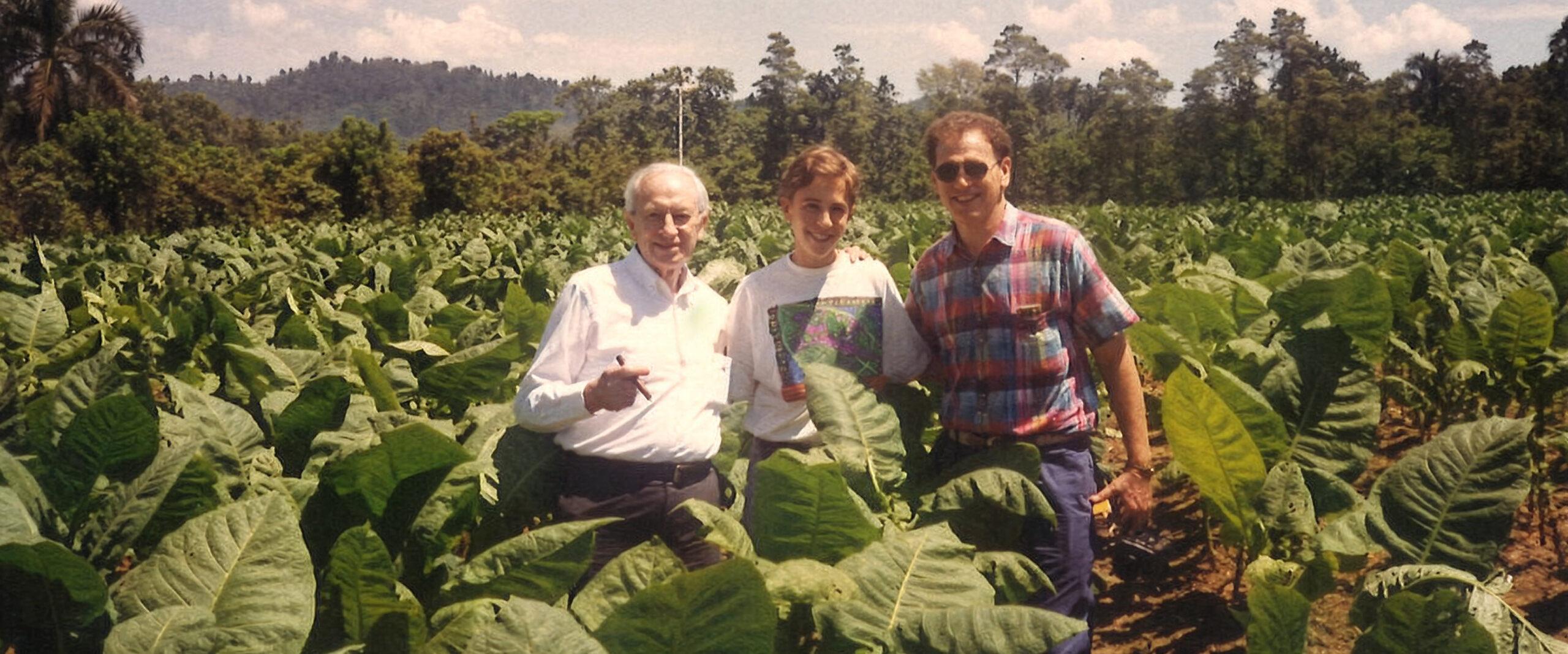
Meet The Newman Family
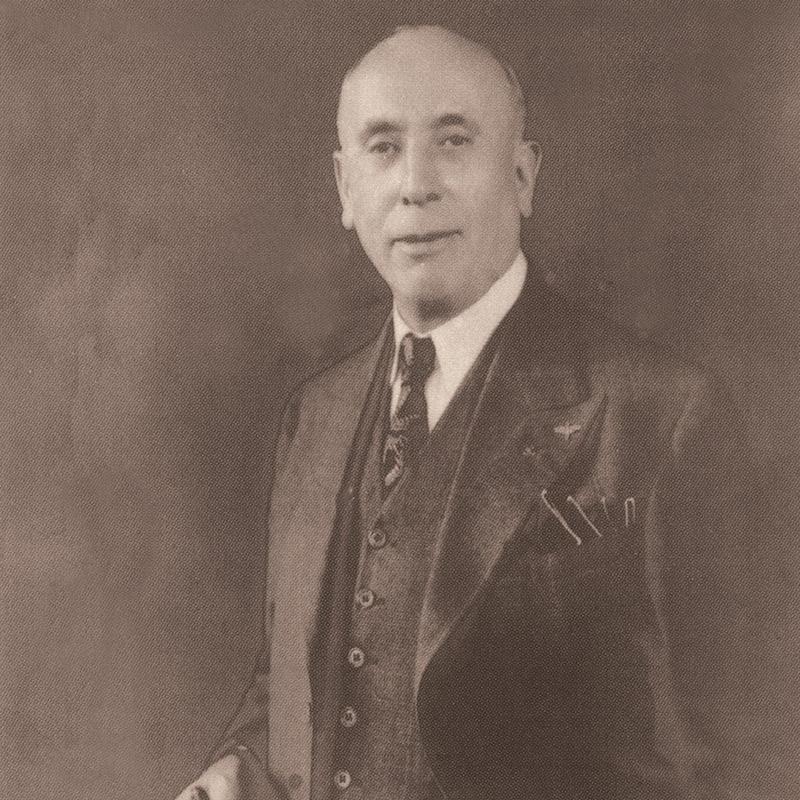
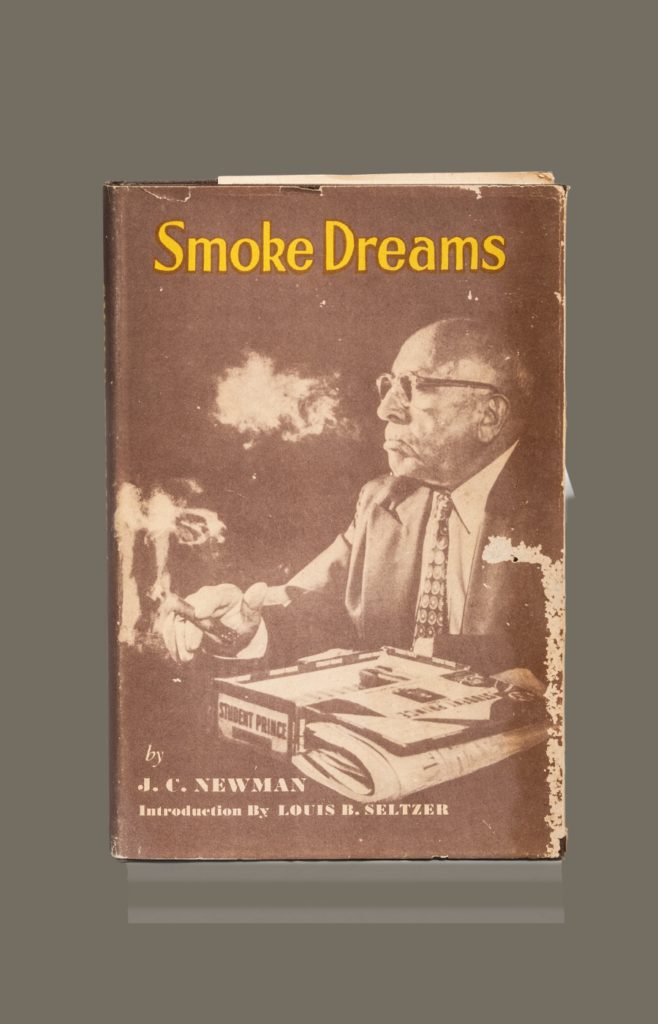
J.C. NEWMAN
First Generation
(1875 – 1958)
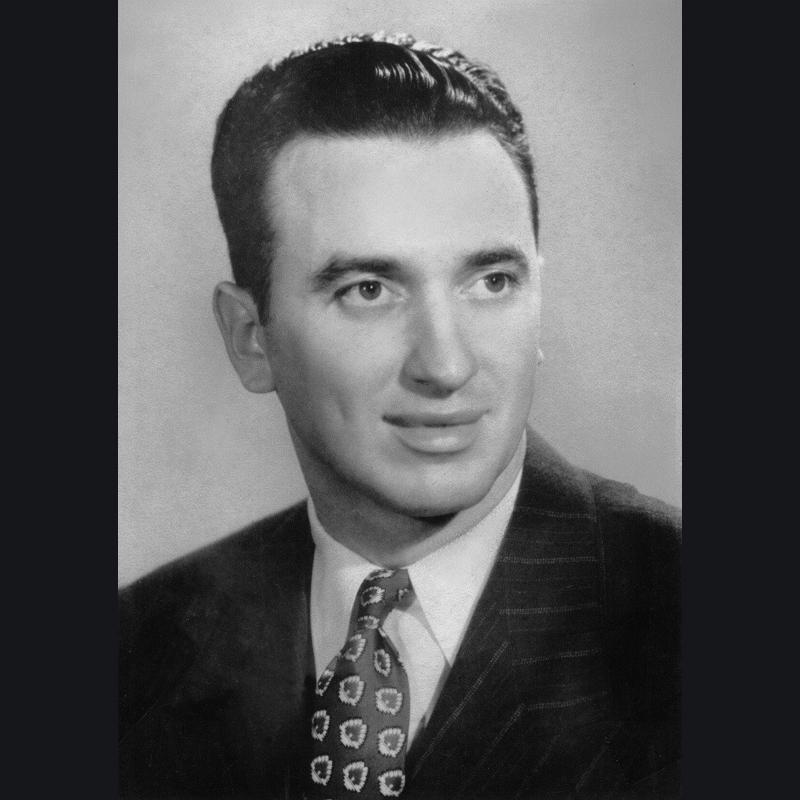
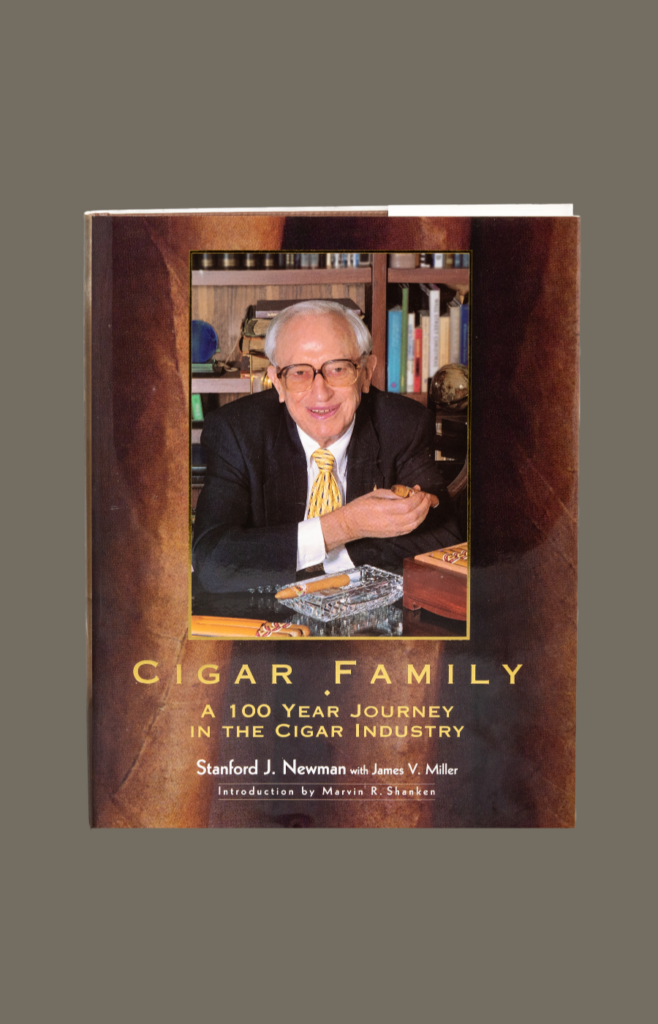
STANFORD J. NEWMAN
Second Generation
(1916 – 2006)
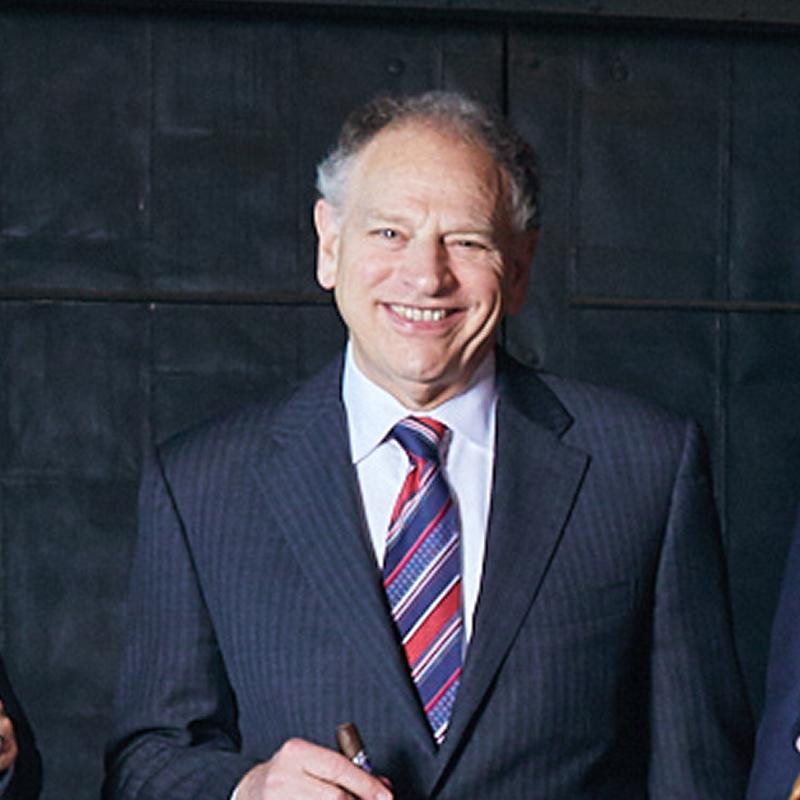
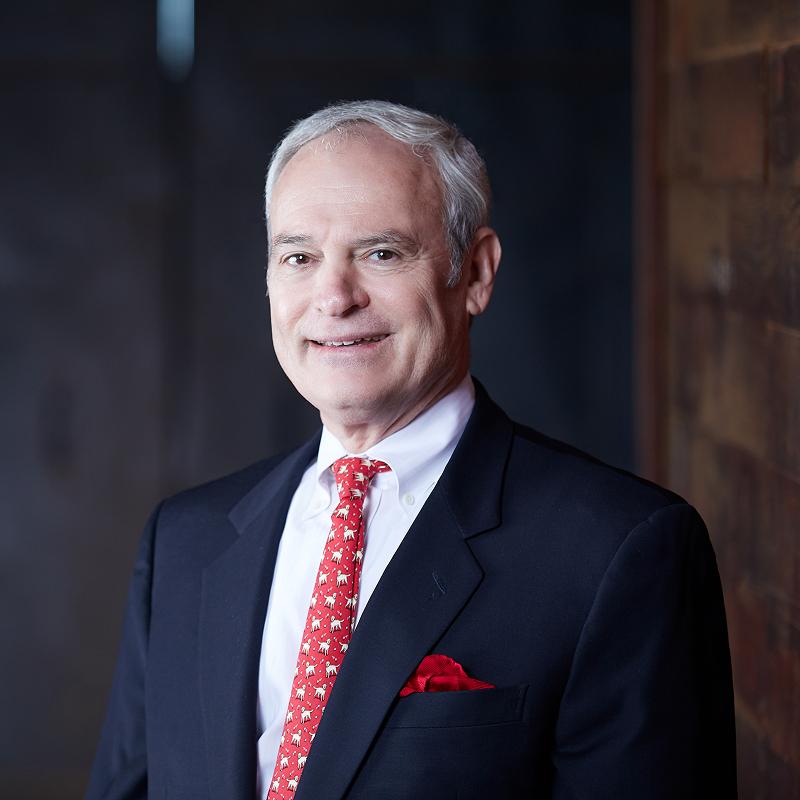
ERIC NEWMAN
Third Generation
President
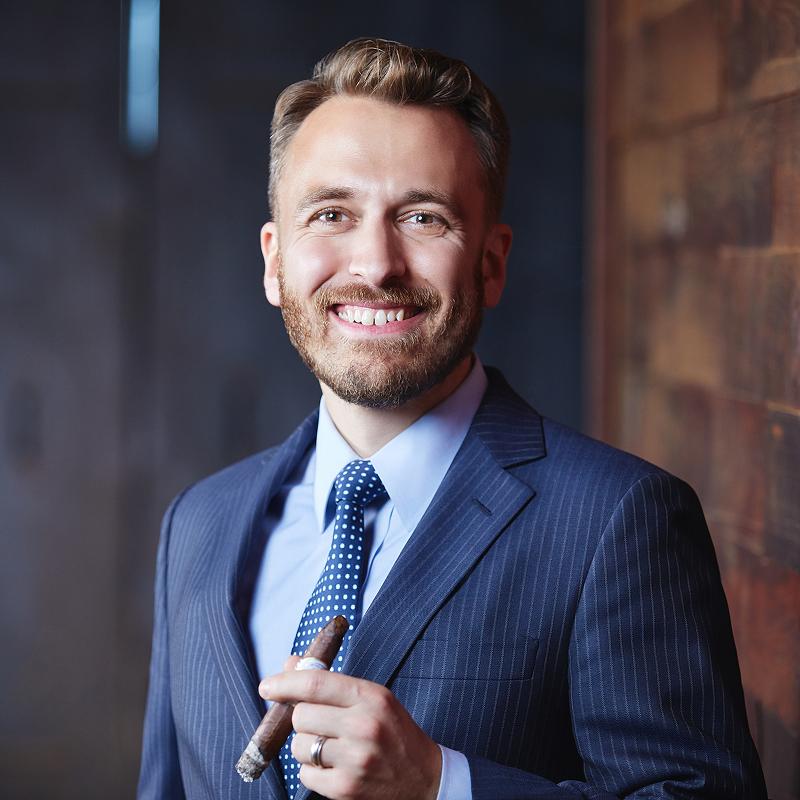
BOBBY NEWMAN
Third Generation
Executive Vice President
DREW NEWMAN
Fourth Generation
General Counsel
ESTABLISHED 1895
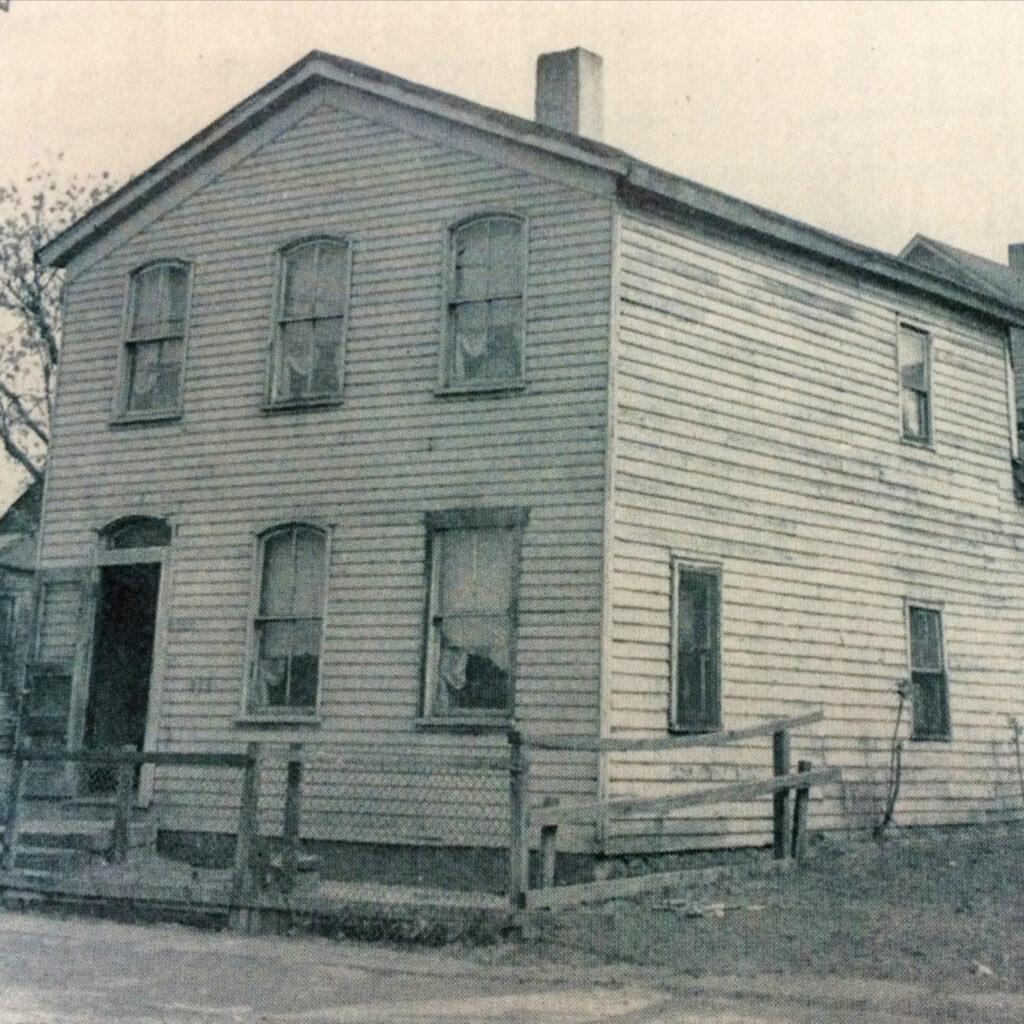
THE FAMILY BARN
J.C. Newman Cigar Company’s long history dates back more than a century to 1895, when Julius Caeser Newman rolled his first cigars in the family barn in Cleveland, Ohio.
At the young age of 14, Julius Caeser Newman (J.C.), became a cigar maker apprentice in Cleveland, Ohio. In 1890, the Newmans were recent immigrants to the United States and J.C.’s mother, Hannah, paid $3.00 per month so that he could learn the cigar trade. After completing his apprenticeship, J.C. worked as a journeyman cigar maker for the next 3 years until a severe recession resulted in massive layoffs throughout the country. As an unemployed immigrant cigar maker, J.C. decided to follow the “American Dream” and start his own company.
Though his dreams of success were great, the company’s beginnings were quite simple. In 1895, J.C. created a cigar table from some old boards, borrowed $50 for tobacco, and received his first order for 500 cigars from the family grocer. The business that started that day in the barn behind the family home was the J.C. Newman Cigar Company.
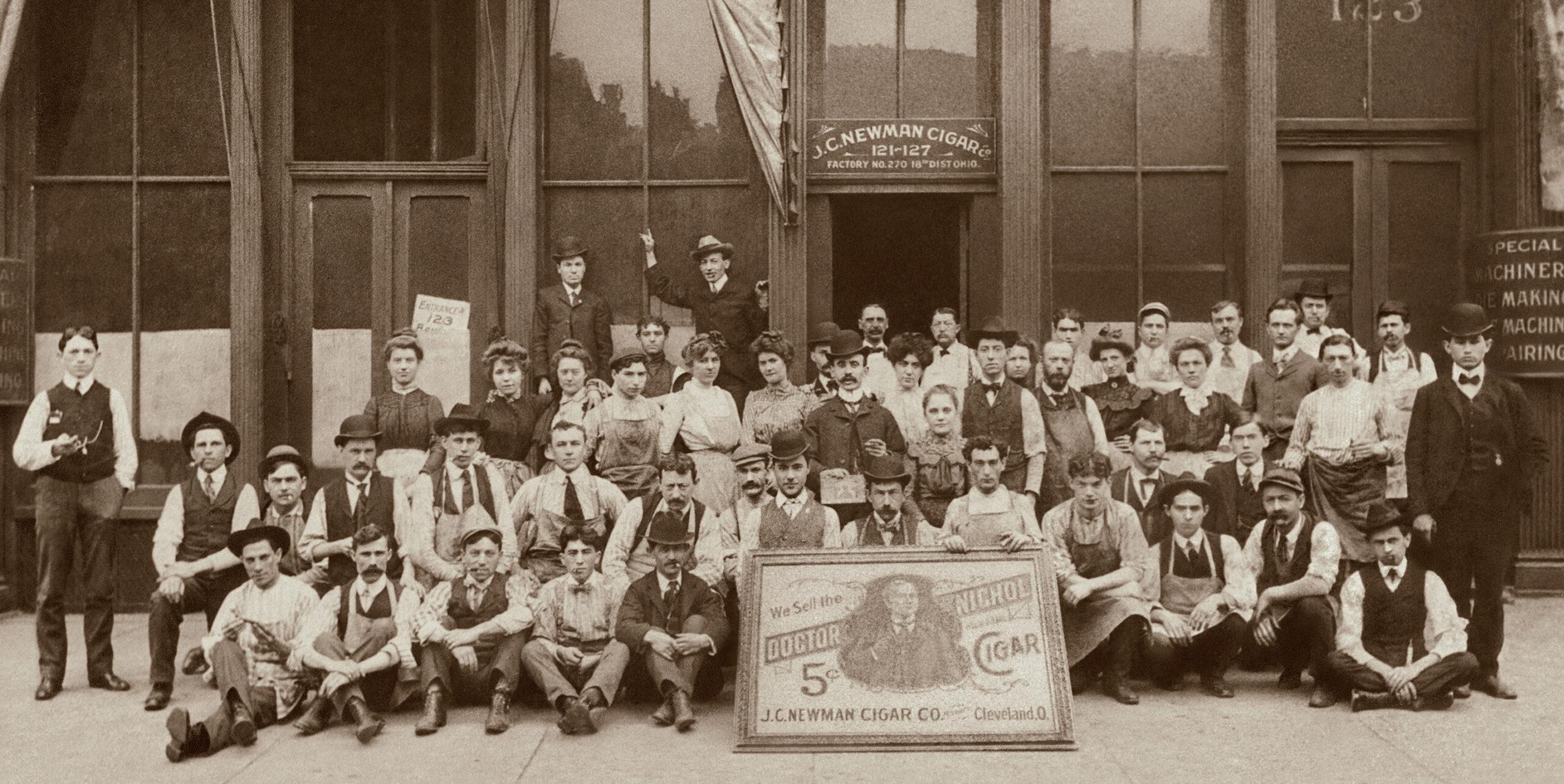
FLOURISH IN CLEVELAND, OH
Over the years, J.C. was married and had four children. By 1916, the company had rapidly expanded with the addition of two factories in Marion and Lorain, Ohio, and then employed a total of 700 employees.
After World War II, J.C.’s sons, Stanford and Millard Newman, returned from military service and joined the company. Stanford was responsible for the cigar manufacturing operations and Millard oversaw the company’s sales. As America prospered, the Newmans’ company continued to flourish in Cleveland.
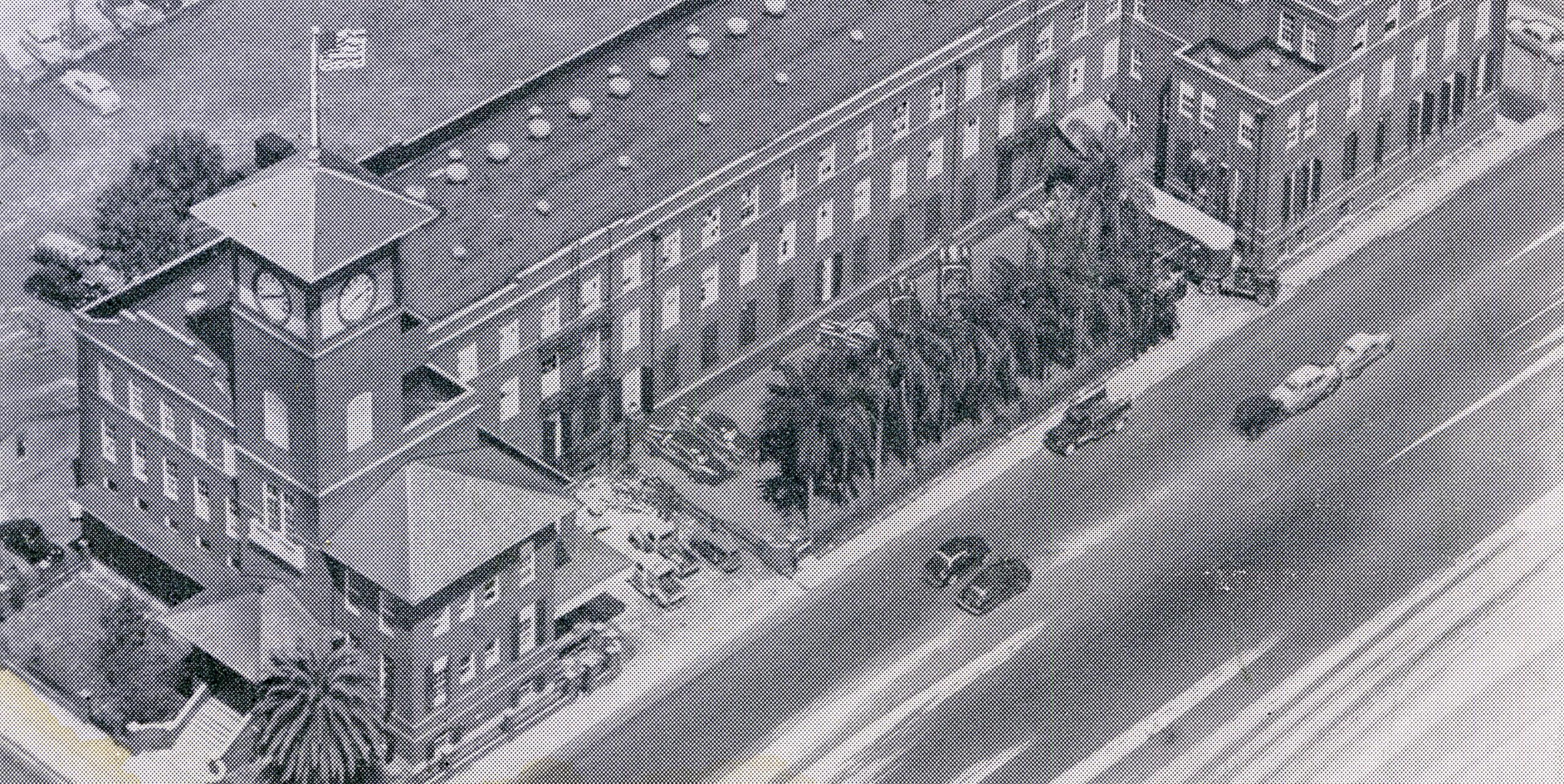
THE LARGEST CIGAR FACTORY IN TAMPA, FLA.
The company joined the Tampa cigar manufacturing community in 1954 when J.C. determined that the company’s future lay in the manufacture of premium cigars. He resolved to relocate to Tampa, which enjoyed a world-class reputation for producing high-quality premium cigars. The move also brought him closer to his primary source of tobacco: Cuba. Interestingly, in the early part of the 19th century, more hand-rolled Clear Havana cigars – cigars made entirely of Cuban tobacco – had been made in Tampa than were made in Cuba and imported in the United States.
Prior to uprooting his whole life and company, J.C. sent his son Stanford to find a new factory and begin trial operations. Stanford found an ideal manufacturing location at a landmark cigar factory in Ybor City, Tampa’s central cigar-making district founded in 1886 by legendary Cuban revolutionary Vincent Ybor. Built in 1910, the Regensburg factory was one of the last and largest cigar factories ever built in Tampa.
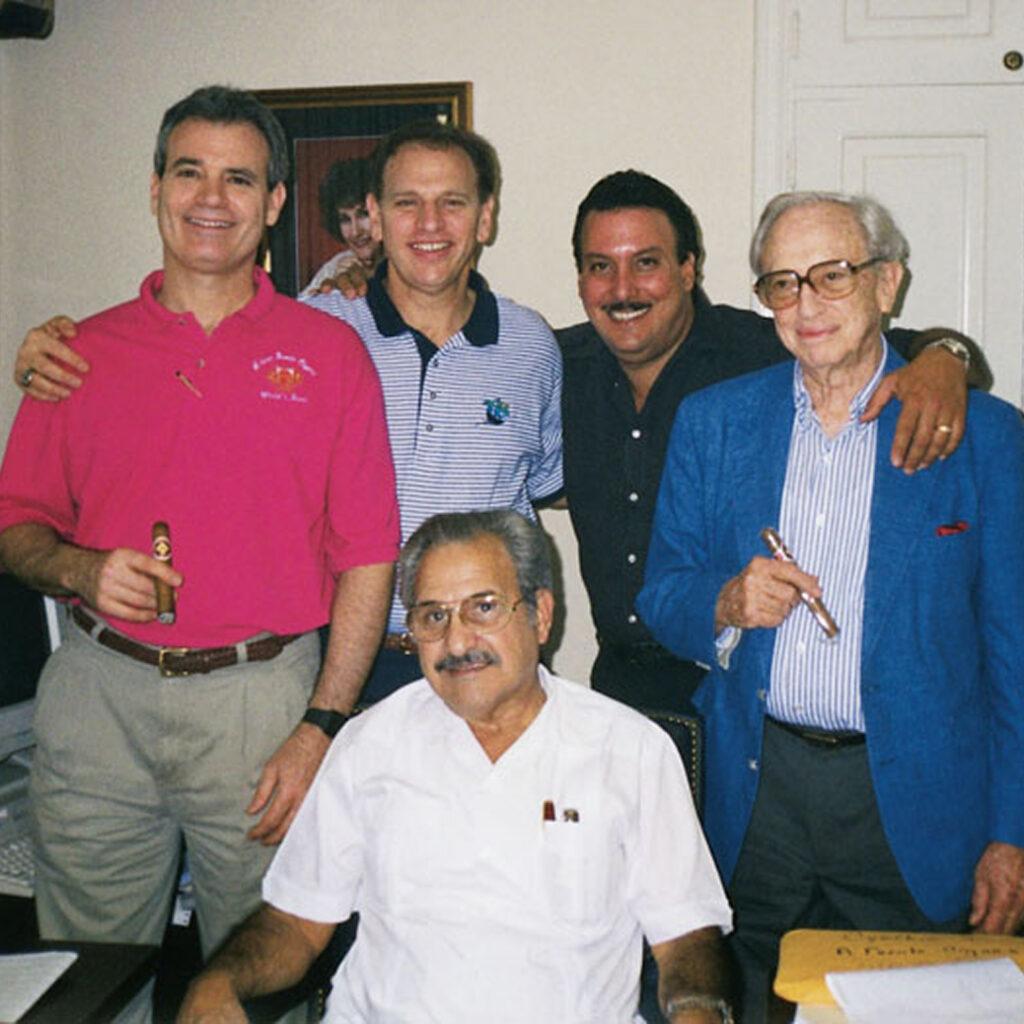
THE PARTNERSHIP
Three weeks after the leveraged buy-out was completed, fellow Tampa cigar maker, Carlos Fuente, Sr. called Stanford with a proposition. Carlos wanted to close his Tampa factory and concentrate his efforts on his handmade factory in the Dominican Republic. He asked if Stanford would be interested in making his Tampa factory brands to which he agreed, provided that Carlos made handmade cigars for J.C. Newman Cigar Co.
In 1990, J.C. Newman Cigar Co. became the distributor of Carlos’ Arturo Fuente and Montesino brands expanding sales across the United States, a partnership which continues on today.
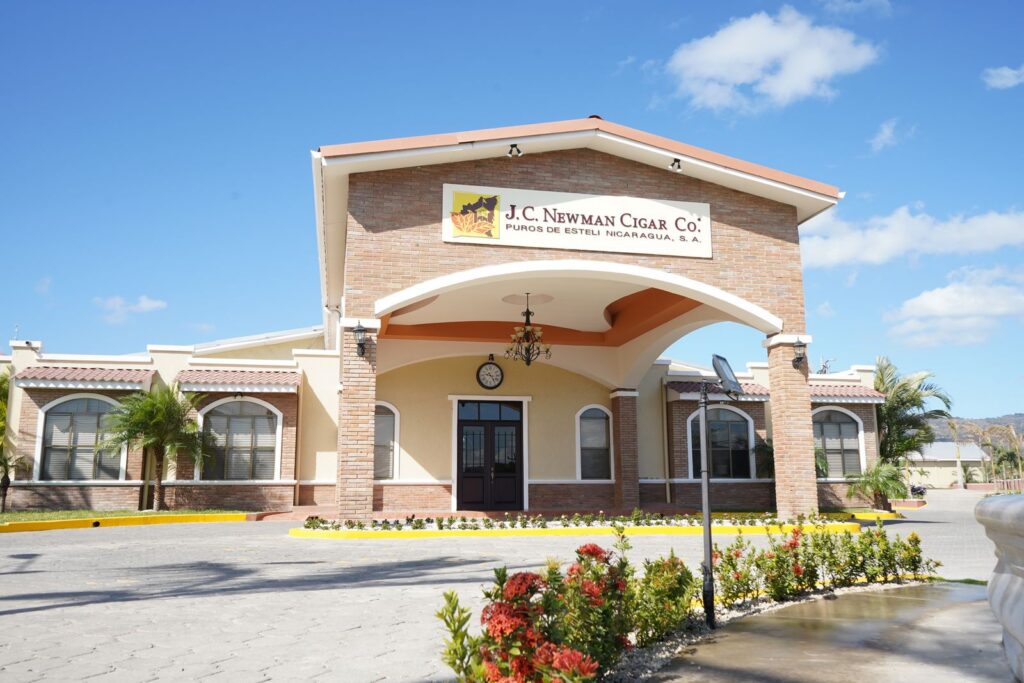
J.C. Newman PENSA
Concerned about the future of their Nicaraguan brands, and wanting to take control of their own destiny, in 2011 third-generation cigar makers Eric and Bobby Newman built Puros de Estelí Nicaragua, S.A. (PENSA) in the heart of Estelí, Nicaragua. Since then, J.C. Newman PENSA has more than tripled in size. Today, 840 employees hand roll 100,000 cigars there each day, making it the second largest factory in Nicaragua. The city of Estelí is one of the most important cigar producing regions in the world, and home more than 50 manufacturers.
J.C. Newman rolls its Brick House, Perla del Mar, El Baton, Quorum and other cigar brands at J.C. Newman PENSA. The factory is led by general managers Omar Ortez and Lazaro Lopez who have run the factory since its opening.
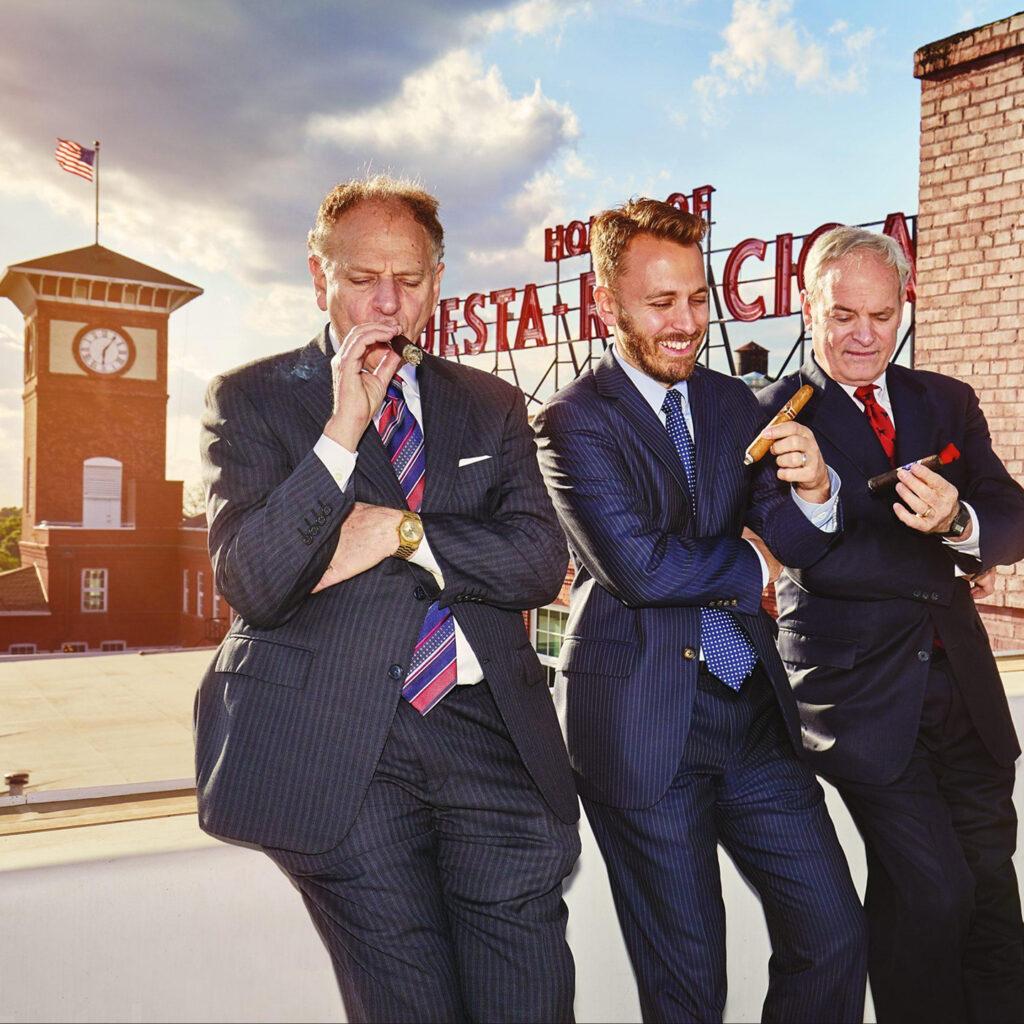
A NEW GENERATION
Today, a new generation continues the Newman family tradition under brothers Eric Newman, president, and Bobby Newman, executive vice president. In 2017, Eric’s son, Drew, became the first member of the fourth generation to join the business full-time as the company’s General Counsel.
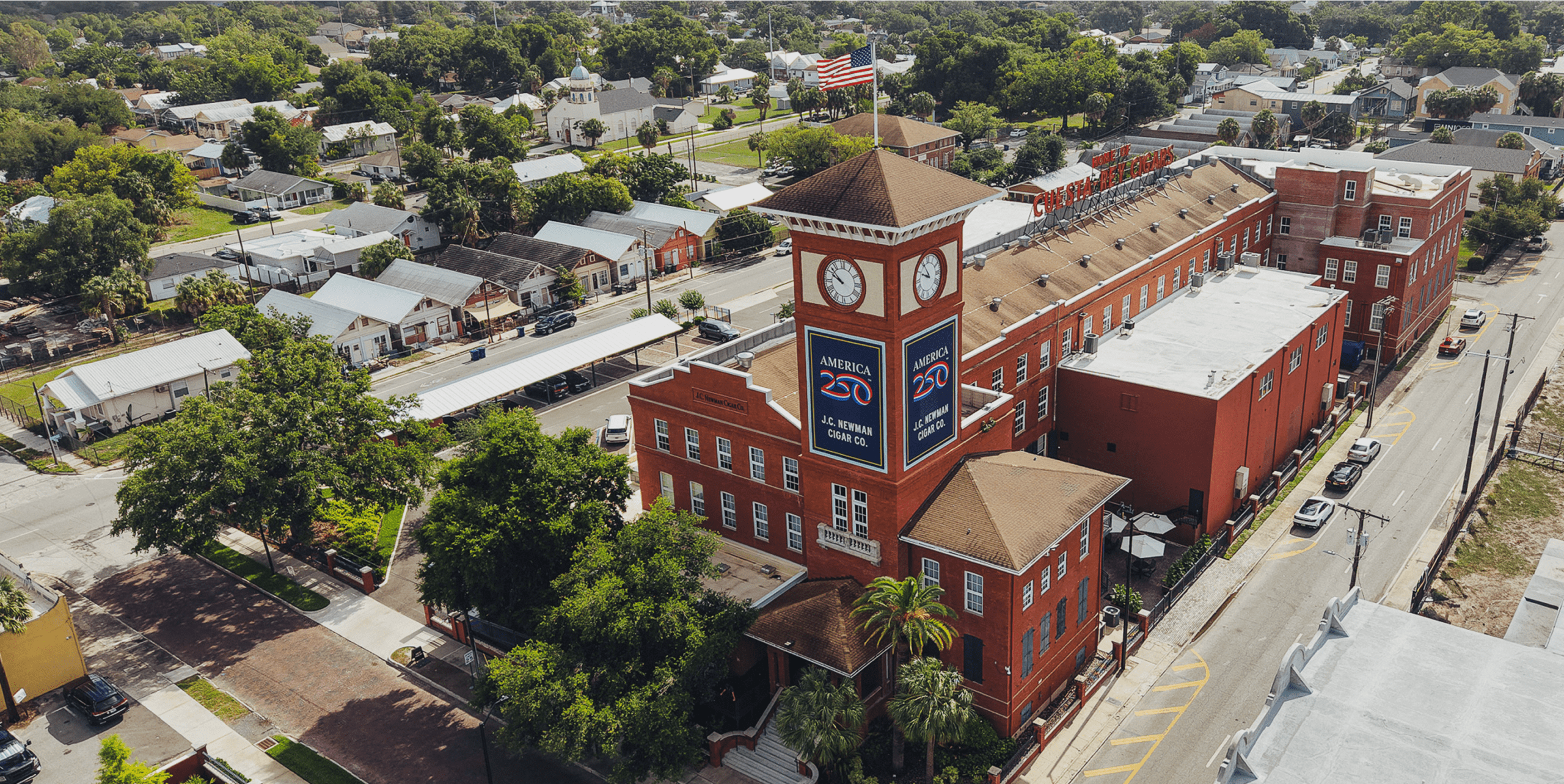
AMERICA’S LAST TRADITIONAL CIGAR FACTORY
The company joined the Tampa cigar manufacturing community in 1954 when J.C. determined that the company’s future lay in the manufacture of premium cigars. He resolved to relocate to Tampa, which enjoyed a world-class reputation for producing high-quality premium cigars. The move also brought him closer to his primary source of tobacco: Cuba. Interestingly, in the early part of the 19th century, more hand-rolled Clear Havana cigars – cigars made entirely of Cuban tobacco – had been made in Tampa than were made in Cuba and imported in the United States.
Prior to uprooting his whole life and company, J.C. sent his son Stanford to find a new factory and begin trial operations. Stanford found an ideal manufacturing location at a landmark cigar factory in Ybor City, Tampa’s central cigar-making district founded in 1886 by legendary Cuban revolutionary Vincent Ybor. Built in 1910, the Regensburg factory was one of the last and largest cigar factories ever built in Tampa.
OUR STORIES
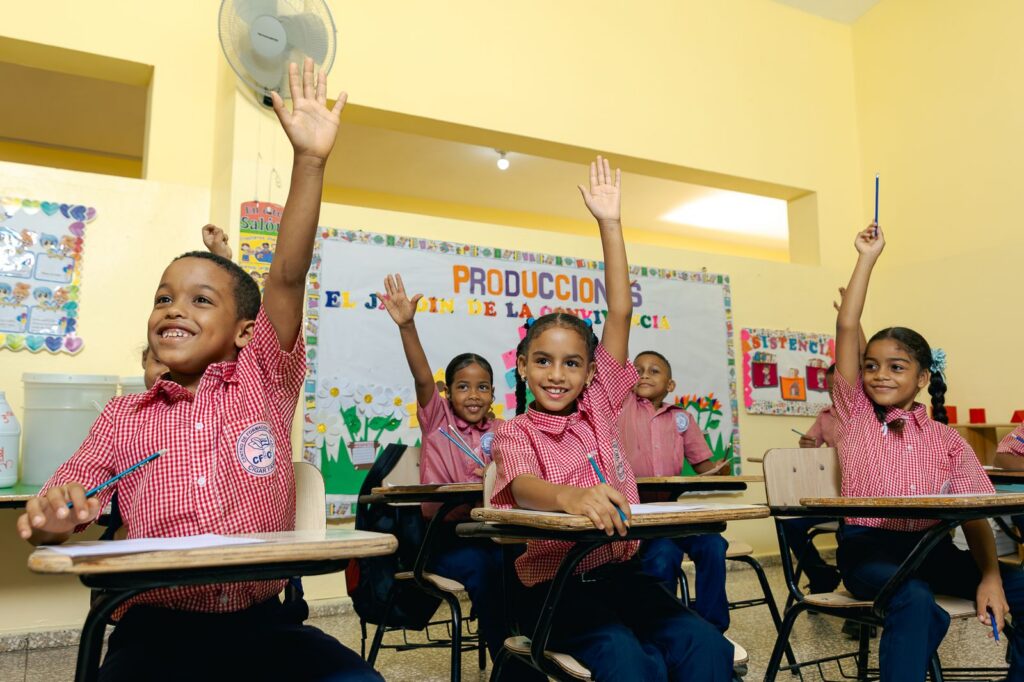
cigar family charitable foundation
The Cigar Family Charitable Foundation (CFCF) was established in 2001, when longtime cigar industry business partners, the Fuente and Newman families, turned their shared vision into reality, creating opportunities for children and families in the mountainous Bonao region of the Dominican Republic.
By focusing on education, health, and community development, CFCF provides resources that empower individuals to build a brighter future.
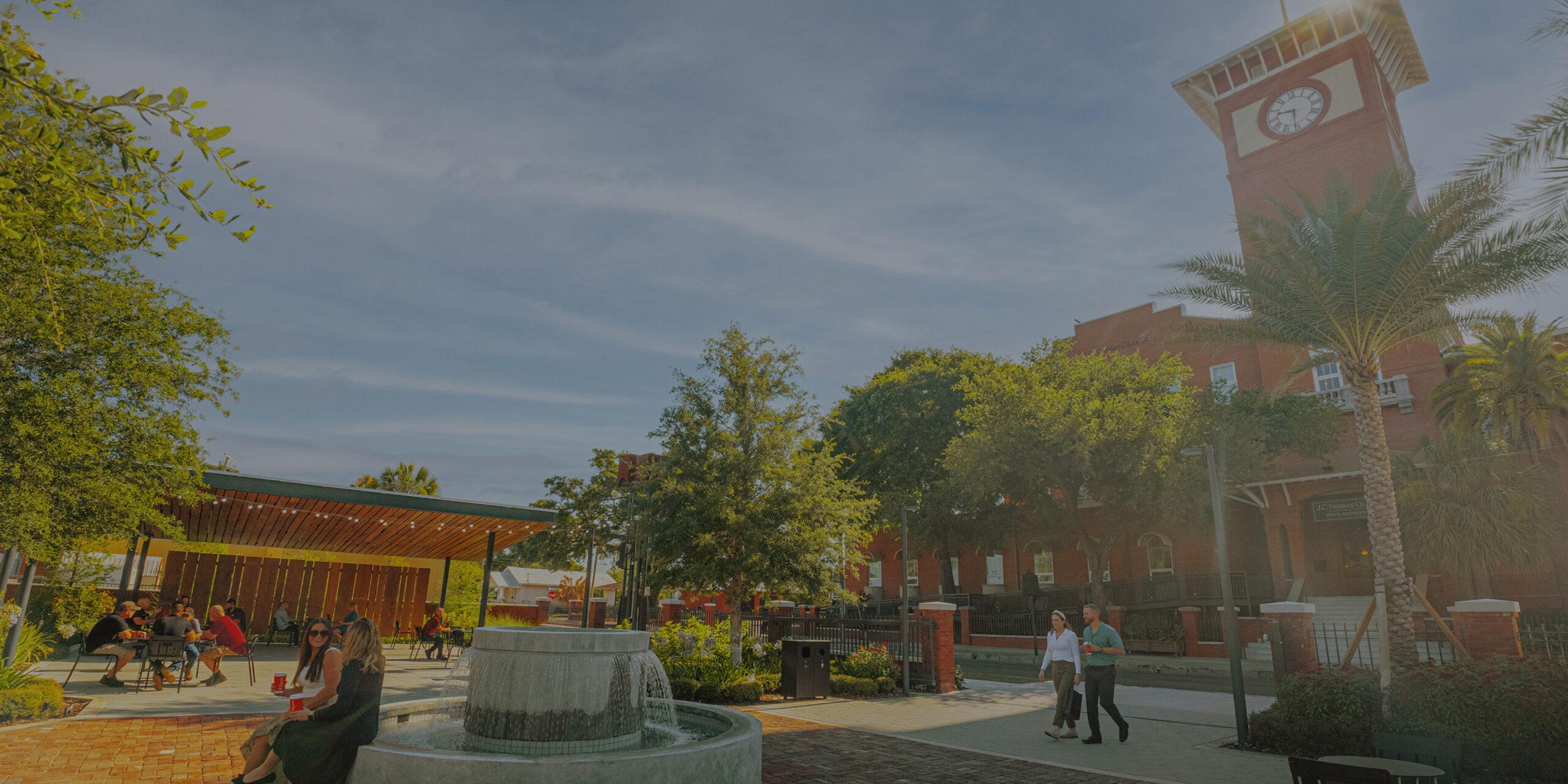
Visit Us in Tampa, Fla.
You’re Invited to
the El Reloj District
A historic Ybor City neighborhood rooted in heritage and revitalized with care.